Collaborative Map Creation: Revolutionizing Teamwork and Editing
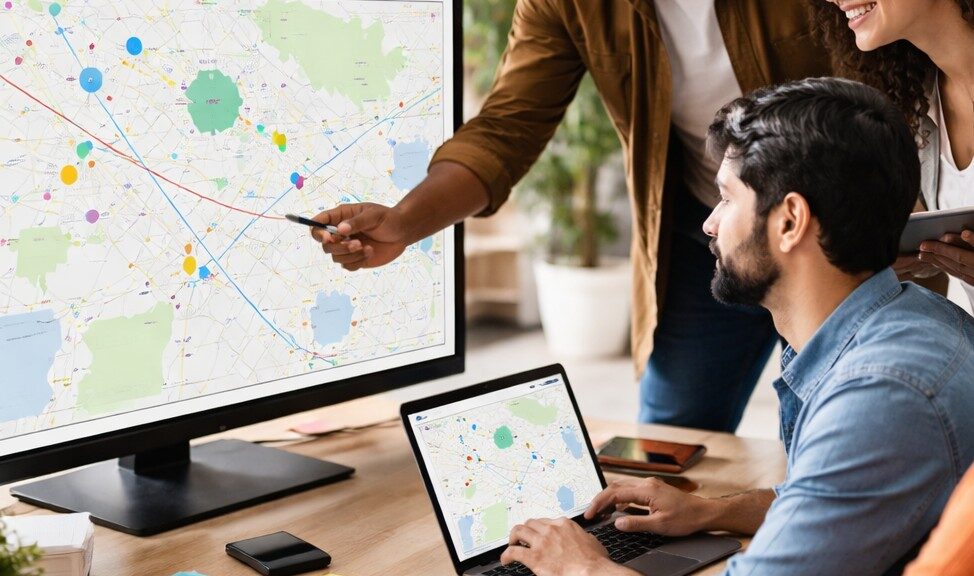
Mapping tools have swiftly become the cornerstone for teams striving to streamline their synchronization processes. The ability to create and edit maps collaboratively has opened new avenues for seamless teamwork and enhanced productivity. Imagine a workspace where real-time map updates allow every team member to view, edit, and make suggestions from any location. Now more than ever, having such a tool is crucial.
Real-time collaboration is at the heart of modern mapping tools. No longer do team members have to send multiple emails or hold lengthy meetings to ensure everyone is on the same page. With these tools, each change is saved instantaneously, visible to all collaborators, and everyone can provide immediate feedback. This functionality is perfect for dynamic teams that require quick adaptations in their mapping strategies.
Moreover, these collaborative tools come equipped with intuitive user interfaces, making them accessible to both tech-savvy individuals and those less familiar with digital tools. This ease of access eliminates the learning curve often associated with new software, allowing teams to focus on the task at hand rather than spending excessive time on training. The design ensures a smooth user experience, encouraging high adoption rates across diverse workforces.
Another vital feature of collaborative map creation is the customization it offers. Teams can tailor maps to their specific needs, incorporating layers, markers, and notes to enhance the map’s functionality. Whether it’s for project management, event planning, or logistical coordination, the ability to personalize maps means they are fit for purpose and support the unique objectives of each project.
Data security is a primary concern for many organizations. Collaborative mapping tools provide robust security measures to protect information integrity and user privacy. Role-based access allows teams to control who can view, edit, or share the map, ensuring sensitive data remains confidential. Furthermore, regular backups safeguard against data loss, providing peace of mind to managers who prioritize security.
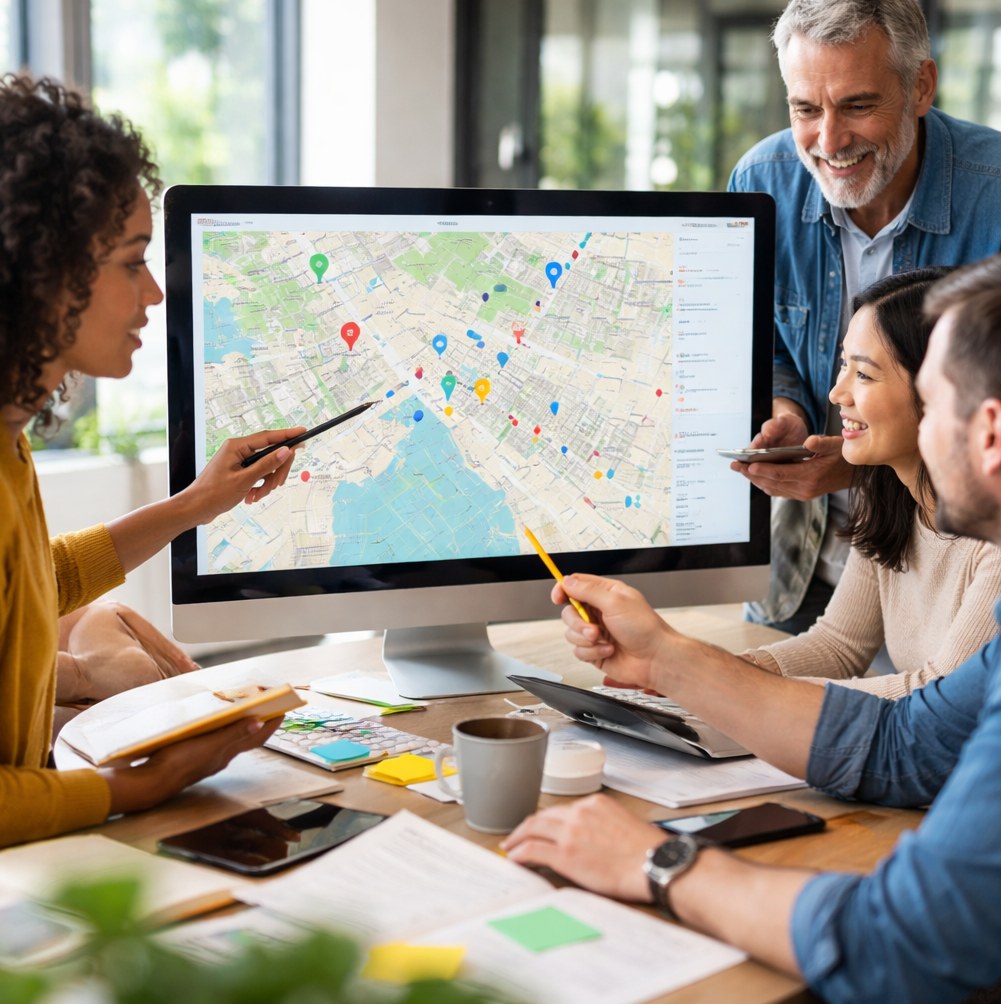
Integrating these tools can also significantly boost cross-departmental collaboration. Often, various departments within an organization work in silos, leading to communication breakdowns and inefficient workflows. A digital platform that supports map-based collaboration can bridge these gaps, facilitating smoother interactions and a unified approach to organizational goals.
Training and support are crucial components that cannot be overstated. Collaborative mapping tools often provide extensive support resources including tutorials, webinars, and dedicated customer service teams. This empowers teams to maximize the potential of these tools and troubleshoot any issues that arise, ensuring the mapping process remains efficient and user-friendly.
Furthermore, these tools can easily integrate with other software platforms used by organizations. Whether it’s a CRM, project management software, or data analytics tool, seamless integration means maps can be a central feature of any company’s digital ecosystem, optimizing workflows and enhancing data visualization capabilities.
In conclusion, collaborative map creation tools are transforming how teams work together, foster communication, and achieve goals efficiently. Adopting such technologies not only simplifies processes but also cultivates an environment where ideas and strategies can be developed more effectively.
As digital collaboration continues to grow, these tools will play an instrumental role in shaping the future of teamwork, ensuring that organizations can adapt and thrive in an increasingly connected world. With features tailored to promote efficiency, enhance security, and support user-friendly experiences, embracing collaborative mapping tools could very well be the key to unlocking a team’s full potential.